Jun 20, 2025
How to repair stand fan or table fan
Step by Step instructions for a fan that won't spin or rotate.
Introduction
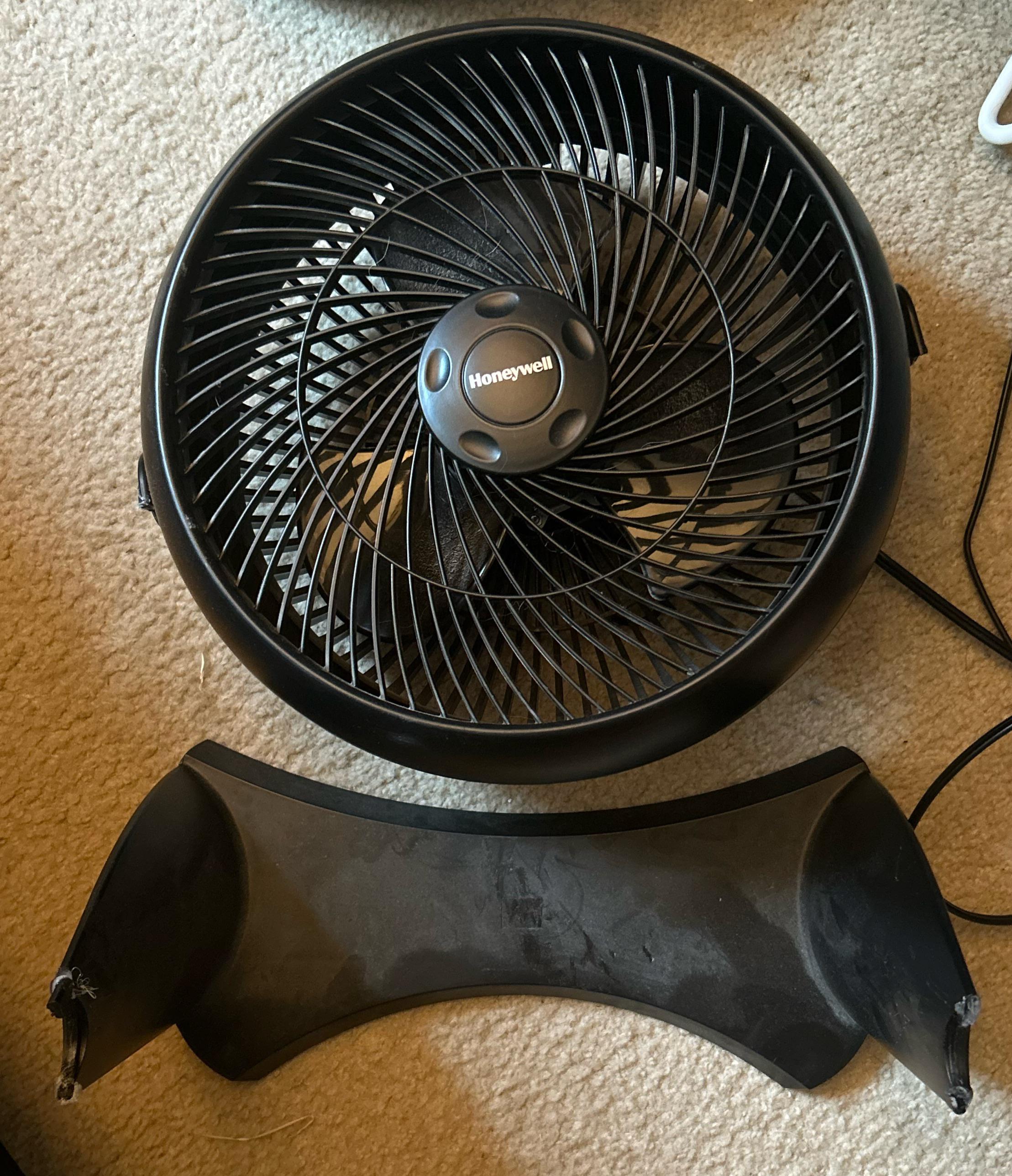
Is your stand fan or table fan refusing to spin or rotate? Don’t sweat it—literally. Sometimes, it just takes a little know-how (and elbow grease) to bring it back to life.
At SuperTooler, we believe in empowering homeowners with practical tools and friendly guidance. Here’s a simple step-by-step guide to fixing a fan that’s decided to take the day off.
Step 1: Unplug the Fan and Remove the Front Grill
Safety first—always unplug the fan before beginning any repair. Next, carefully remove the front grill or cage by unclipping or unscrewing it. This gives you access to the blades and motor housing.
SuperTooler Tip: Use a cloth to gently clean the blades while the grill is off. Dust can sometimes add unnecessary resistance.
Step 2: Check for Blade Obstructions
Before diving deeper, try spinning the blades manually. If they don’t move freely or feel stuck, there might be debris or a bent shaft. Gently rotate the blades. If there’s resistance, disassemble further. Ensure the centre nut holding the blades is tightly secured—but not too tight to restrict motion.
Step 3: Open the Motor Housing
If everything seems fine with the blades, the issue could lie in the motor or shaft assembly. Unscrew the rear housing. Check the rotor and shaft for dirt, rust, or signs of wear. Lubricate the shaft using machine oil or WD-40. A dry or rusted shaft is a common reason fans stop spinning.
Step 4: Check and Repair Oscillation Mechanism
If the fan spins but doesn’t rotate side-to-side, inspect the oscillator knob and gear mechanism. Unscrew the knob and observe the oscillation pin. Reposition or re-grease the gears if needed. If the gear teeth are worn out, a replacement might be necessary.
Step 5: Reassemble and Test
Put everything back together in reverse order:
Replace the motor cover.
Reattach the blades.
Clip or screw the grill back in place.
Plug in the fan and turn it on.
If the blades now spin and oscillation works—mission accomplished.
Why We Love This Method
Save money – Avoid replacing a fan when it’s likely a simple fix.
Eco-conscious choice – Repairing instead of discarding keeps waste out of landfills.
Feel empowered – DIY repairs build your confidence and problem-solving skills.
Conclusion
Whether your fan was stuck, noisy, or lazy, these simple steps can breathe new life into it. With a little care and common sense, you can go from overheating to chill mode in no time.
At SuperTooler, we’re not just fixing stuff—we’re helping you feel at home in your space, one repair at a time.